Education

Education plays a vital role in helping people better understand arthritis, including what the condition involves and how its symptoms can be effectively managed.

We offer regular patient education sessions along with access to online resources, helping you gain a clearer understanding of what’s happening in your joints and how we can support you in improving your quality of life.

Non-Surgical Management

Non-surgical management of osteoarthritis focuses on reducing pain, improving joint function and slowing disease progression through a combination of lifestyle changes, exercise and pharmacological therapies. Key approaches include losing weight, strengthening muscles around the joint, using supports like braces, physiotherapy and pain-relieving medications or injections.

These treatments are often tailored to the patient and aimed at preventing or delaying the need for surgical intervention.

Core Lifestyle Measures

These are considered the “mainstays” of treatment and are recommended for almost all patients:

Exercise and Physical Activity

Regular, low-impact exercise (like walking, cycling, or swimming) strengthens the muscles around the joint, providing better support and stability.

Weight Management

Losing even a small amount of weight (as little as 5% of body weight) significantly reduces the pressure on weight-bearing joints like the knees and hips.

Patient Education

Learning about the condition and how to manage daily activities effectively is crucial for long-term success.

Physical and Supportive Therapies

Physiotherapy

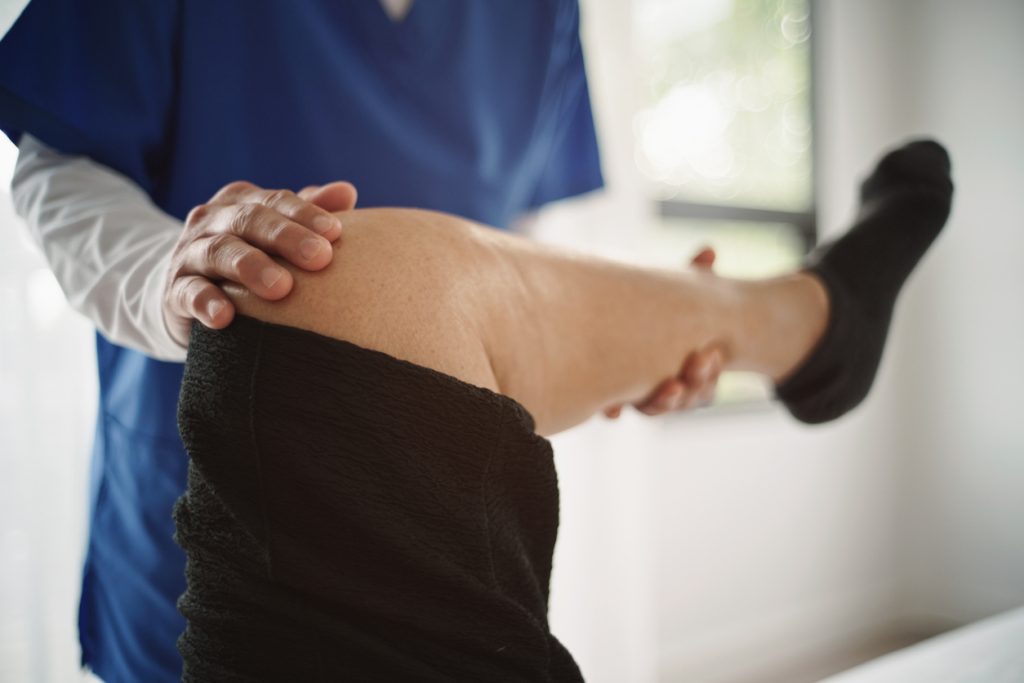
A physiotherapist can design a supervised program for muscle strengthening and flexibility.

Assistive Devices

Braces, shoe inserts (orthotics) and walking aids like canes can help realign the joint or shift weight away from damaged areas.

Heat and Cold Therapy

Applying ice packs for swelling or heat for muscle stiffness can provide temporary symptomatic relief.

Pharmacological Treatments

Topical Medications

Creams, gels or patches containing NSAIDs (like diclofenac) or capsaicin are often recommended first because they provide localised relief with fewer systemic side effects.

Oral Pain Relievers:

  • Paracetamol (Acetaminophen): Often used for mild-to-moderate pain.
  • Oral NSAIDs: Drugs like ibuprofen or naproxen are more effective for inflammation but carry risks for the stomach, heart, and kidneys, especially in older adults.
  • Duloxetine: An antidepressant that is also FDA-approved to treat chronic musculoskeletal pain.

Always consult your doctor before starting any medication to ensure it is safe and appropriate for your individual treatment plan.

Injections

Injections for osteoarthritis are generally used when first line non-surgical treatments such as exercise, physiotherapy and weight management fail to provide adequate pain relief. They are best for reducing acute flare-ups of inflammation or pain and are commonly used in the knee and hip.

Injections include:

Complementary and Emerging Options

Supplements

While many people take glucosamine and chondroitin, clinical evidence for their effectiveness is mixed and they are often considered optional.

Mind-Body Practices

Tai Chi, yoga and acupuncture are often helpful for improving balance, flexibility and managing pain levels.

Radiofrequency Ablation

A procedure that uses heat/cold to disable specific nerves in the joint to block pain signals for several months.