What is Osteoarthritis?

Osteoarthritis is the most common type of arthritis, affecting more than 2.1 million Australians. It is a degenerative joint condition and can appear at any age but tends to occur more commonly in women and in people aged over 40 years or those who have had severe joint injuries. It is a condition that affects the whole joint including bone, cartilage, ligaments and muscles. Osteoarthritis is a very common condition which can affect any joint in the body. It’s most likely to affect the joints that bear most of our weight, such as hips, knees, feet and hands.

Almost all of us will develop osteoarthritis in some of our joints as we get older, though we may not even be aware of it.

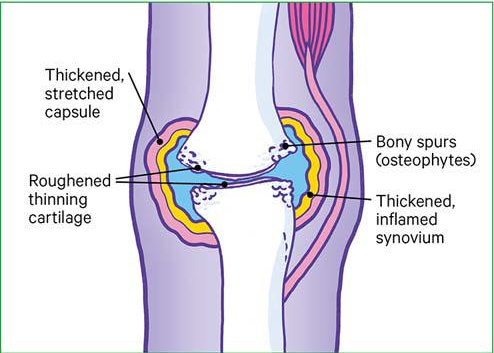
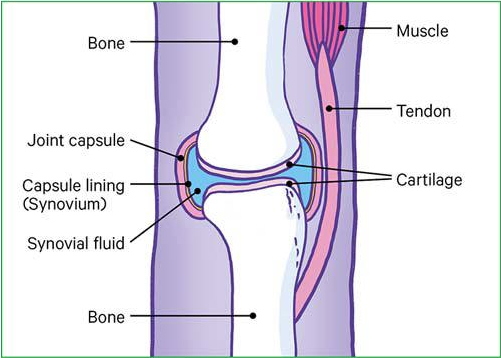
In a healthy joint, a coating of tough but smooth and slippery tissue called cartilage covers the surface of the bones and helps the bones to move freely against each other. When a joint develops osteoarthritis part of the cartilage thins and the surface becomes rougher. This means the joint doesn’t move as smoothly as it should.

When cartilage becomes worn or damaged, all the tissues within the joint become more active than normal as the body tries to repair the damage. The repair processes may change the structure of the joint but will often allow the joint to work normally and without any pain and stiffness.

However, the repair processes don’t always work so well and changes to the joint structure can sometimes cause or contribute to symptoms such as pain, swelling or difficulty in moving the joint normally.

Osteoarthritis includes:

  • Inflammation of the tissue around a joint due to the lining of the joint capsule thickening and producing more fluid than normal.
  • Extra bone growing at the edge of the joint. These bony growths are called osteophytes and can sometimes restrict movement or rub against other tissues. In some joints, especially the finger joints, these may be visible as firm, knobbly swellings.
  • Damage to the joint cartilage (which is the protective cushion on the ends of our bones which allows a joint to move smoothly).
  • Tissues that surround the joint and help to support it may stretch so that after a time the joint becomes less stable.

The following diagrams show the difference between a Healthy Joint and a Joint Affected by osteoarthritis.

What Causes Osteoarthritis?

The exact reason why Osteoarthritis develops remains unclear.  We do know it isn’t simply ‘wear and tear’ and that your risk of developing osteoarthritis depends on a number of factors such as:

  • Age
  • Previous joint injuries
  • Genetic predisposition
  • Overweight and obesity
  • Heavy lifting or manual labour, especially if kneeling, climbing and squatting

What Signs & Symptoms of Osteoarthritis?

Whatever the cause, the symptoms of osteoarthritis differ between individuals and depend on the affected joints. The condition usually progresses slowly, causing joint pain, stiffness and in some cases loss of mobility.

Over time, these symptoms usually become more constant and can make daily activities harder. Things like opening jars, tying shoelaces, walking or climbing stairs become harder. You might also notice clicking or grinding sounds when you move or find your joints don’t move as freely as they used to.

How will Osteoarthritis affect me?

Physical Effects

Osteoarthritis commonly causes joint pain, stiffness, swelling and reduced movement. As the protective cartilage wears away, the bones may rub against each other, leading to discomfort, inflammation and sometimes a grating sensation. Over time, this can cause muscle weakness, reduced flexibility, and changes in joint shape or alignment. Some people may also notice joint instability, clicking or grinding noises, or flare-ups of pain after activity. These symptoms can make everyday movement slower and more tiring.

Impact on Daily Life

The physical changes of osteoarthritis can affect many daily activities, such as walking, climbing stairs, driving, cooking, or getting dressed. Tasks that were once simple may take longer or require help. Reduced mobility can make it harder to maintain independence and may impact participation in work, hobbies and exercise. Many people find they need to adapt routines or use aids and supports (like braces or walking sticks). The condition can also lead to fatigue due to pain, sleep disturbance or the extra effort required for movement.

Emotional and Mental Wellbeing

Living with ongoing pain and limitations can be frustrating and emotionally exhausting. It’s common to experience low mood, anxiety, irritability or reduced confidence, especially when daily activities become difficult or social life is affected. Some people feel a sense of loss of independence or identity, particularly if they can no longer do the things they enjoy. Managing a long-term condition can also cause stress, especially when it interferes with work or relationships.

Social and Lifestyle Impacts

Osteoarthritis can influence how people socialise and connect with others. Pain or fatigue may make it harder to attend gatherings, travel, or take part in recreational activities. This can sometimes lead to social isolation or feelings of loneliness. The condition may also affect sleep quality, energy levels and overall quality of life, leading to a cycle where pain, poor rest and low mood reinforce each other.

Long-Term Considerations

Over time, osteoarthritis can contribute to reduced physical activity, which may affect cardiovascular health, muscle strength and weight management. This can create additional strain on joints, potentially worsening symptoms. However, with early management, including exercise, weight control and supportive treatments, many people are able to maintain good function and live well with osteoarthritis.

How is Osteoarthritis Diagnosed?

It’s important to get an accurate diagnosis if you think you have arthritis, as different types of arthritis often need very different treatments. At Ortho Arthritis Solutions we use your medical history, symptoms, physical examination and x-rays to accurately diagnose osteoarthritis.

Your symptoms – how and when they started, how they’ve developed, how they affect your life and any factors that make them better or worse.

A physical examination – our doctors will check for:

  • tenderness over the joint
  • creaking or grating of the joint – known as crepitus
  • bony swelling
  • excess fluid
  • restricted movement
  • joint instability
  • weakness or thinning of the muscles that support the joint.

There’s no blood test for osteoarthritis, although we may suggest you have them to help rule out other types of arthritis.

X-rays aren’t usually helpful in diagnosing osteoarthritis, however they are helpful to show joint damage, such as a previous joint injury or wear and tear or whether there are any calcium deposits in the joint.

Managing Symptoms

While there is no cure osteoarthritis there are treatments that can provide relief from the symptoms and allow you to get on with your life. That said, there is no way of predicting exactly which treatment will work best for you. Each treatment has its own benefits and risks. We may need to trial several different treatments before finding the one that is right for you. Treatments include:

  • Lifestyle changes
  • Pain relief medications
  • Physical therapies
  • Supplements and complementary treatments

Latest News

Ice vs. Heat: Which Is Best for Your Osteoarthritis Pain?Osteoarthritis

Ice vs. Heat: Which Is Best for Your Osteoarthritis Pain?

If you are living with knee or hip osteoarthritis, managing a sudden flare-up or morning stiffness can be incredibly frustrating. One of the most common…
May 26, 20265 min
Dispelling the “Wear and Tear” Myth: Why Your X-Ray Doesn’t Define Your Knee PainOsteoarthritis

Dispelling the “Wear and Tear” Myth: Why Your X-Ray Doesn’t Define Your Knee Pain

For decades, millions of Australians experiencing joint stiffness have been told that their pain is simply the result of mechanical "wear and tear." This phrase…
August 25, 20245 min
Beyond the Blade: How Structured Exercise is Helping Osteoarthritis Sufferers Avoid SurgeryOsteoarthritis

Beyond the Blade: How Structured Exercise is Helping Osteoarthritis Sufferers Avoid Surgery

For many Australians living with severe joint pain, joint replacement surgery can feel like the only light at the end of the tunnel. However, a…
September 21, 20225 min