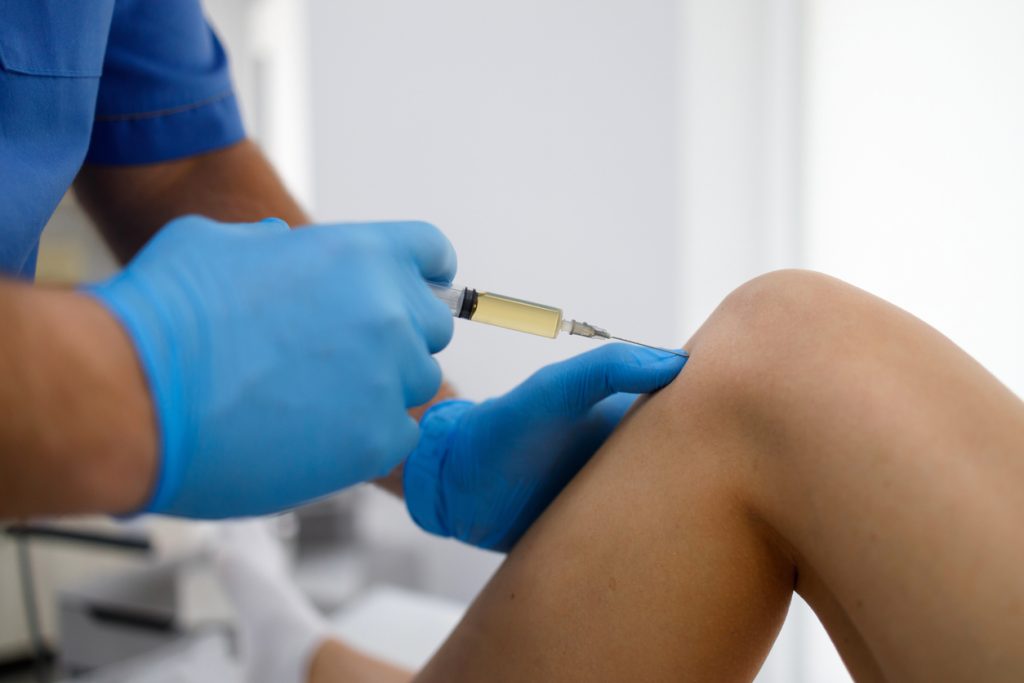
Interventional pain management for osteoarthritis refers to minimally invasive, image-guided procedures designed to reduce joint pain when conservative treatments like exercise, medications and physiotherapy aren’t providing enough relief.

Rather than just masking symptoms with tablets, these treatments target the source of pain directly within or around the joint.

Cortisone Injections for Osteoarthritis

What is a Cortisone Injection?

Cortisone (also known as corticosteroids or steroids) is an anti-inflammatory medicine used to treat pain in various parts of the body where inflammation is felt to be the cause of pain. The reason why Cortisone is effective in treating such pain is because it is a powerful anti-inflammatory. Cortisone is NOT an illegal steroid medication, such as those misused in sport. They are commonly used to treat osteoarthritis when pain and stiffness are not fully relieved by other treatments.

Purpose of Treatment

  • Reduce joint pain and inflammation
  • Improve joint mobility
  • Provide short to medium-term relief, often lasting several weeks to a few months

How is it Administered? 

  • The Cortisone is injected directly into the affected joint by a trained healthcare professional
  • The procedure usually takes only a few minutes and is done in a clinic setting
  • Local anaesthetic may be used to minimise discomfort
Hyaluronic Acid Injections for Osteoarthritis

What is Hyaluronic Acid?

Hyaluronic acid (HA) is a substance that exists naturally in joint fluid and helps lubricate and cushion your joints. In osteoarthritis, the amount and quality of HA in the joint decreases. This results in a lower viscosity (thickness) of joint fluid, thereby decreasing the shock absorbing ability of the fluid which can lead to pain, stiffness and reduced mobility.

Purpose of Treatment

HA injections are used to relieve pain and improve movement in affected joints. It is commonly used to treat osteoarthritis of the knee but can be used to treat osteoarthritis of the hip and shoulder. The treatment is usually considered when other options such as physiotherapy, weight management or pain medications have not provided sufficient relief.

How is it Administered?

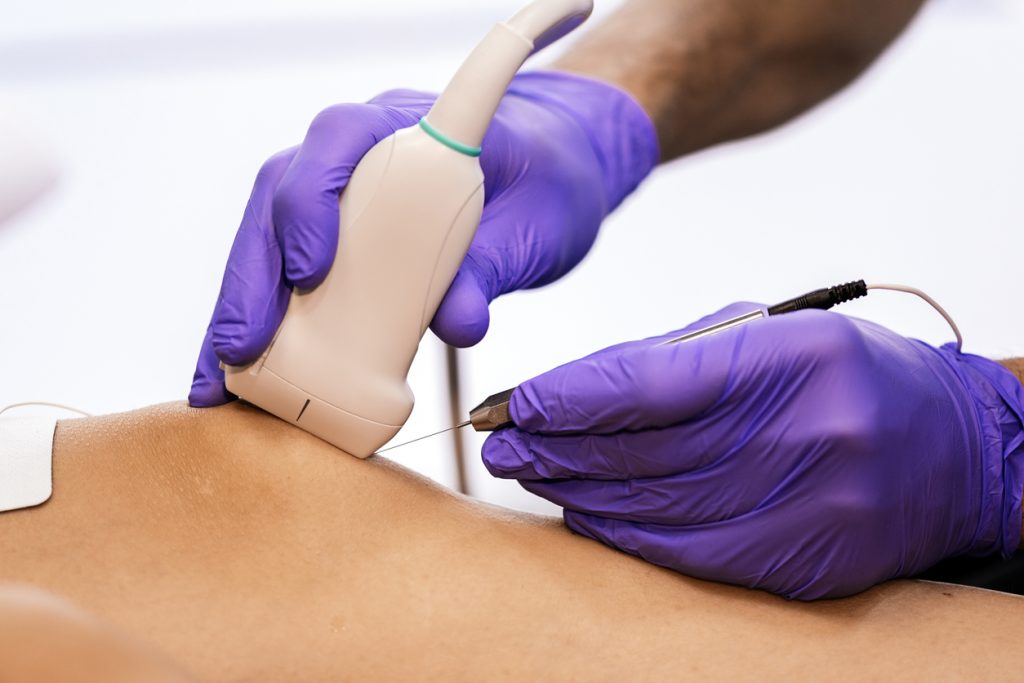
  • The injection is administered directly into the affected joint by a trained healthcare professional
  • The procedure usually takes a few minutes and is often done in a clinic setting
  • Injections may be given once a week for 3 weeks or a single injection depending on the product your doctor recommends
  • Local anaesthetic may be used to minimise discomfort
Platelet-Rich Plasma (PRP) Injections for Osteoarthritis

What is PRP?

A platelet-rich plasma (PRP) injection is a non-surgical treatment that may help to repair degenerative tissue and injury by using your own blood to stimulate natural healing processes.

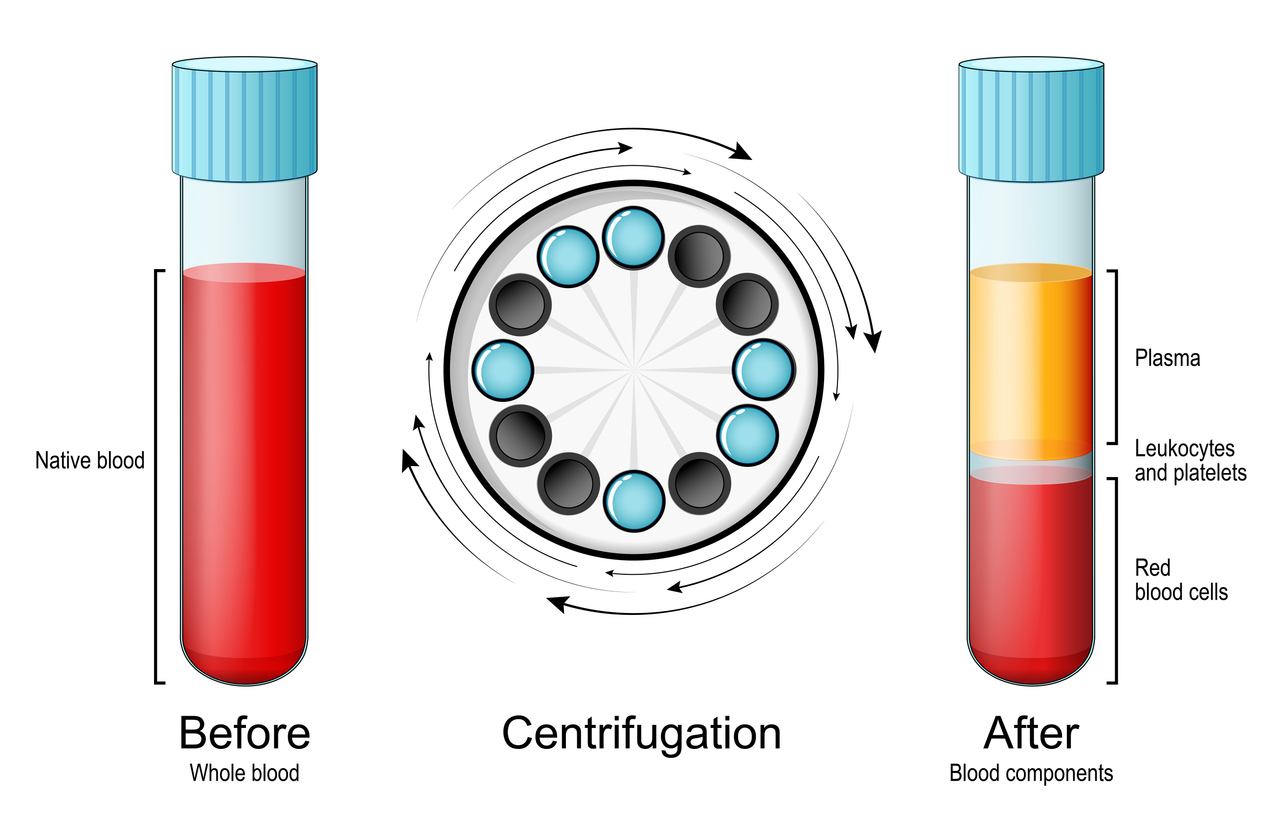
PRP delivers a high concentration of your Platelet-Rich Plasma directly to an injury site to promote healing. Platelets are a component of blood which help to form a clot and stop bleeding when tissue is damaged.

They also stimulate the release of growth factors including PDGF (Platelet Derived Growth Factor) and stimulate cellular repair, increase anti-inflammatory processes and help grow blood vessels in damaged tissue.

Purpose of Treatment

  • Reduce joint pain and inflammation
  • Improve mobility and function
  • Support natural healing processes in the joint

How is it Administered?

Your health professional will first draw blood from a vein in arm. The blood is then spun in a centrifuge machine for about 10 to 15 minutes to separate the platelets from the remaining blood components

The injured part of your body is then anesthetised with a local anaesthetic. The platelet-rich portion of your blood is then injected into the affected area. In some cases, your trained health professional may use ultrasound guidance for proper needle placement.