
What is Knee Osteoarthritis?

Osteoarthritis is the most common type of arthritis and can develop in any joint but is most common in weight bearing joints such as your knees.

Osteoarthritis of the knee causes pain, stiffness, a grating or grinding sensation when the joint moves and swelling. Knee arthritis can make it hard to do many everyday activities, such as walking or climbing stairs. It is a major cause of lost work time and serious disability for many people.

Because osteoarthritis gradually worsens over time, the sooner you start treatment, the more likely it is that you can lessen its impact on your life. Although there is no cure for osteoarthritis, there are many treatment options to help you manage pain and stay active.
Anatomy

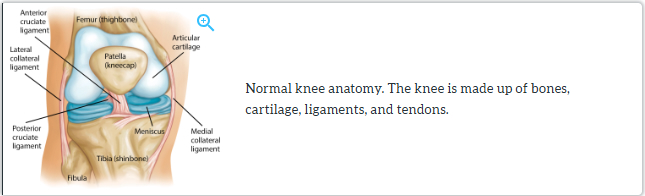
The knee is the largest and strongest joint in your body. It needs to be strong enough to take our weight and must lock into position so we can stand upright. It also acts as a hinge so we can walk. It is made up of:

  • The lower end of the femur (thighbone)
  • The upper end of the tibia (shinbone)
  • The patella (kneecap)

The ends of the three bones that form the knee joint are covered with articular cartilage, a smooth, slippery substance that protects and cushions the bones as you bend and straighten our knee.

Two wedge-shaped pieces of cartilage called meniscus act as “shock absorbers” between your thighbone and shinbone. They are tough and rubbery to help cushion the joint and keep it stable.

The knee joint is wrapped inside a tough capsule filled with synovial fluid. This fluid lubricates and nourishes the cartilage and other structures in the joint.

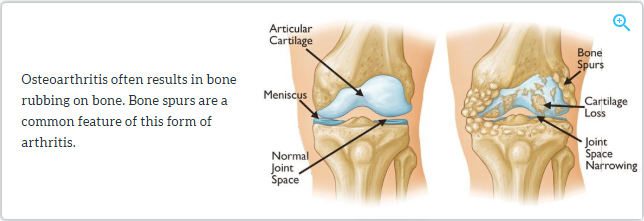
Knee osteoarthritis is a condition in which the cartilage that cushions the ends of the bones in the knee gradually wears away. As this protective layer thins, the bones can start to rub against each other, which may cause pain, stiffness, swelling and reduced movement. Over time, these changes can also alter the shape of the knee joint and make everyday activities such as walking, climbing stairs or bending more difficult.

Causes

There is no single cause, but there are certain factors that may increase your risk of developing osteoarthritis of the knee, including:

  • Age – osteoarthritis occurs more often in people over 45
  • Family history of osteoarthritis
  • Previous injury to the knee joint
  • Gender – osteoarthritis is much more common in females
  • Being overweight or obese

You can still develop osteoarthritis even if you don’t have any of the risk factors listed above.

While knee osteoarthritis is a long-term condition, there are many ways to manage symptoms and maintain function, including exercise, weight management, medications, physiotherapy and supportive devices. With the right approach most people can continue to stay active and maintain a good quality of life.

Book a Consultation

Symptoms

Knee osteoarthritis is a common condition, particularly in older adults, people who are overweight or those who have had previous knee injuries. Symptoms can develop gradually and may come and go, but can worsen over time impacting mobility, independence and daily life.

The symptoms of knee osteoarthritis vary from person to person but could include:

  • pain in the knee joint – often worse after vigorous activity and at the end of the day
  • pain may radiate up (into the thigh) or down (into the shin) from the affected knee
  • stiffness of the knee joint – mainly in the morning or after rest, and which eases in less than 30 minutes or with walking
  • swelling of the knee joint – swelling may be soft (caused by additional joint fluid) or hard (caused by bony growths called osteophytes)
  • muscle weakness of the thigh or calf
  • grinding, creaking or crunching sound when moving the knee
  • the knee may feel like it ‘locks’, ‘sticks’ or gives way during periods of activity
  • pain is usually eased when resting

Diagnosis

Knee osteoarthritis is typically diagnosed through:

  • An assessment of symptoms (pain severity, activity limitations and impact on daily life), how long you’ve had them and what makes them better or worse.
  • Imaging: X-rays are not needed for the diagnosis of knee osteoarthritis, but they may be used to assess how much joint damage has occurred. An x-ray can show possible narrowing of the joint space, as well as any bony growths, dislodged bone fragments or calcium deposits. However, x-rays are not a good guide as to how much pain you might be in. For some people x-rays show severe joint damage but they have low levels of pain. Others may report high levels of pain with only minor x-ray changes.

If you’re experiencing pain or stiffness in or around your knee, it’s important that you get a diagnosis as soon as possible so that treatment can start quickly. Early intervention will give you the best possible outcome.

Treatment Options

There is no cure of osteoarthritis, however there are many treatment options available to manage your symptoms allowing you to maintain an active lifestyle. Here are some things you should consider:

Weight Loss

Being overweight or obese is known to be directly related to the risk of developing knee osteoarthritis. It is also highly likely to speed up how quickly your osteoarthritis develops or progresses. Evidence shows that there is a relationship between weight loss and relief of symptoms such as pain and stiffness; even a small amount of weight loss (5% of body weight) can improve your symptoms.

Exercise, Physiotherapy and Strengthening

Regular exercise is one of the most important strategies for managing osteoarthritis of the knee. It is important to find the right balance between rest and exercise. To protect your sore joints, try low impact activities such as cycling, walking, swimming or aqua aerobics.

Strengthening exercises can strengthen the muscles around the knee, improve flexibility and support joint stability. This helps to reduce pain, improve mobility and make daily activities such as walking, climbing stairs, or getting in and out of chairs easier.

A tailored program developed by a physiotherapist or exercise physiologist can help reduce knee pain and improve knee function.

Activity Modifications

Adjusting movement and daily habits can protect the knee joint. This may include pacing activities, avoiding high-impact exercise, using supportive shoes, or taking regular rest breaks.

Medications

Pain and inflammation can be managed with medications such as paracetamol, non-steroidal anti-inflammatory drugs (NSAIDs) or other prescription options depending on individual needs. Always speak to your doctor or pharmacist before taking these medicines as they may be harmful to some people.

Injections

For persistent symptoms, injections may provide relief:

  • Steroid injections: Reduce inflammation and pain for several weeks to months
  • Hyaluronic acid injections: Lubricate the joint, improving movement and comfort
  • Platelet-rich plasma (PRP) injections: May promote healing and reduce pain in some cases

Aids, Supports and Hot or Cold Therapy

Wear suitable footwear, the best choice of footwear if you have knee osteoarthritis is well fitted, flat shoes with a cushioned, flexible sole and arch support. If you have particular problems with your feet, then it’s worth seeing a podiatrist for more specific advice.

Walking sticks or canes can be used to reduce knee pain. Always use the waking stick on the opposite side to your sore knee.

There’s a range of different splints, braces and supports available for painful joints. These can be particularly helpful if osteoarthritis has affected the alignment of a joint. It’s best to seek professional advice from before choosing one, so you can be sure it’s suitable for your needs.

Applying hot or cold packs to the joints may relieve the pain and symptoms of osteoarthritis in some people. A hot-water bottle filled with either hot or cold water and applied to the affected area can be very effective in reducing pain.

Surgical Options

Most people with osteoarthritis of the knee won’t need surgery and it’s usually only considered if all non-surgical treatments have failed, and knee pain and reduced knee function impact your quality of life. In this case we will be able to refer you to and orthopaedic surgeon to discuss your options.

The most common type of surgery for knee osteoarthritis is as follows:

  • A total or partial joint replacement of the knee is the most common type of surgery for knee osteoarthritis and can provide significant pain relief and improved function. However, it is important to remember that a total or partial knee replacement is major surgery and requires you to commit to months of rehabilitation. In a total or partial knee replacement the damaged joint surfaces may be replaced with artificial components to relieve pain and restore function.
  • Osteotomy: Surgery to realign the bones and reduce pressure on the affected part of the knee
  • Arthroscopy: A minimally invasive procedure to clean out loose cartilage or repair small joint damage (usually for specific issues rather than advanced osteoarthritis). The Australian Orthopaedic Society does not recommend knee arthroscopies due to the lack of evidence showing any benefit. As an invasive procedure, arthroscopies also have the potential to cause more harm and pain.

Next Steps

If you are living with knee osteoarthritis, our experienced team at Ortho & Arthritis Solutions are here to guide you through the diagnosis, management and treatment options.

We provide individually tailored and personalised treatment plans for effective management and to get you back on your feet. Contact Ortho & Arthritis Solutions today.

Book a Consultation