
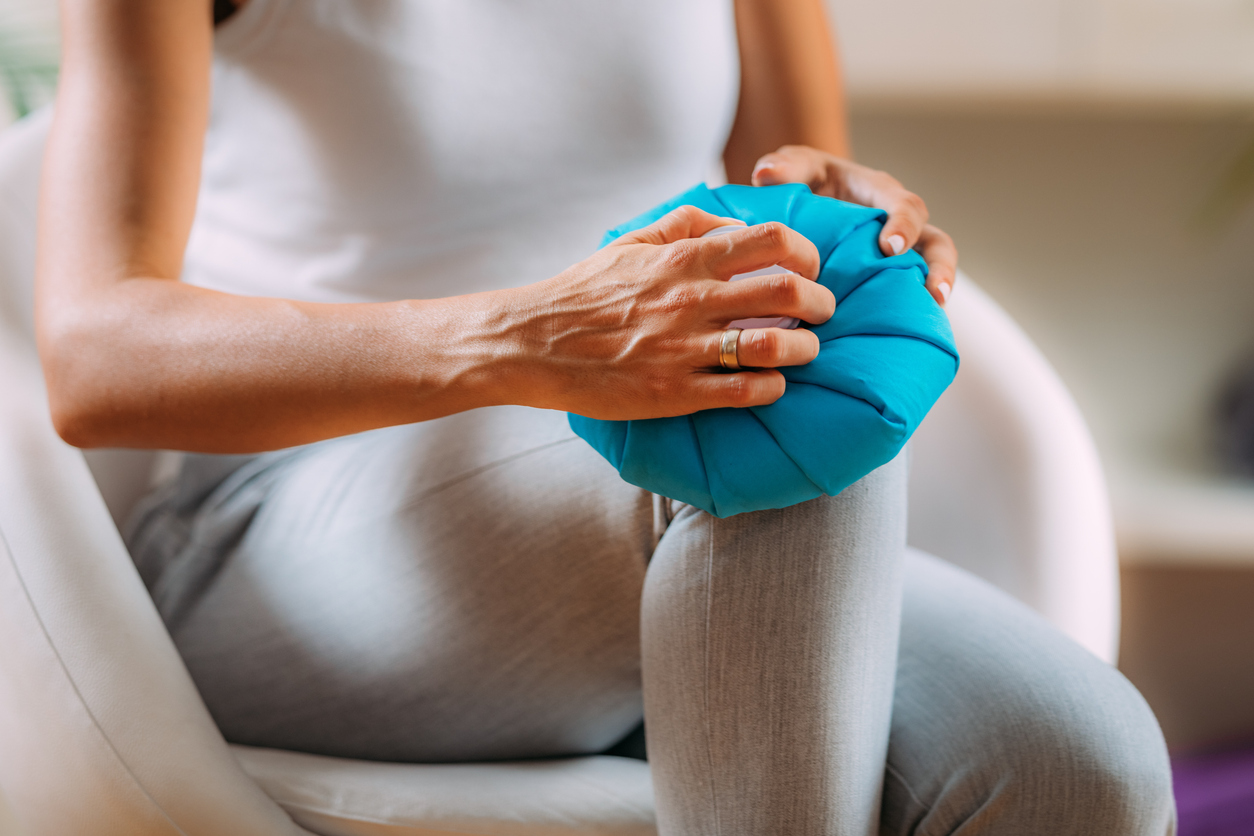
If you are living with knee or hip osteoarthritis, managing a sudden flare-up or morning stiffness can be incredibly frustrating. One of the most common questions our clinical team hears from patients on the Gold Coast is: “Should I be putting ice on my joint, or should I be reaching for a wheat pack?”
The short answer is that both can be incredibly effective tools for managing your comfort—but only if you use them at the right time.
Understanding how temperature affects an arthritic joint can give you instant, drug-free control over your pain volume. Here is our clinical guide on when to freeze, and when to melt the pain away.
When to Choose Heat (The Morning Lifesaver)
Osteoarthritis pain is famously worse first thing in the morning or after prolonged periods of sitting. When a joint is resting, the vital lubricating fluid inside it thickens up, and the surrounding muscles and tendons tighten, leaving you feeling locked up and stiff.
How Heat Works:
Applying heat causes your blood vessels to dilate (open up), floods the area with fresh, oxygen-rich blood, and physically relaxes tight muscles.
The Best Times to Use Heat:
- First thing in the morning: Apply a warm heat pack to your knee or hip for 15–20 minutes before you get out of bed to ease morning stiffness.
- Before exercise or walking: Warming up the surrounding muscles acts like warming up a car engine—making it much easier and more comfortable to move.
- How to apply it: Hot water bottles, microwavable wheat packs, or a warm bath/shower are perfect. Just ensure it is comfortably warm, never hot enough to scald the skin.
When to Choose Ice (The Post-Activity Calmer)
While heat is perfect for a stiff, tight joint, ice is your ultimate weapon against an over-worked, throbbing, or swollen joint. If you’ve spent the morning walking along the beach, playing golf, or working in the garden, you might find your joint feels hot, angry, and inflamed by the afternoon.
How Ice Works:
Applying cold temperature constricts the blood vessels, slows down local blood flow, and directly numbs the local pain receptors. It acts as a powerful, localized anti-inflammatory.
The Best Times to Use Ice:
- After physical activity: If your joint throbs or aches after a walk or a round of sports.
- During an acute flare-up: If the joint looks slightly puffy, feels physically warm to the touch, or is sharply painful.
- How to apply it: Use a gel ice pack or a bag of frozen peas wrapped securely in a damp tea towel. Apply it for no more than 10–15 minutes at a time to protect your skin. Alternatively, our clinic uses a device called IceMan CLEAR3, which provides consistent, and controlled cold therapy for longer periods without needing to be changed or refrozen, helping maintain optimal temperature and reduce swelling more effectively.
The Golden Rule: Avoid the Ice Trap Before You Move
If there is one mistake we see joint pain sufferers make, it is applying ice to a stiff knee right before they try to go for a walk or exercise.
Ice causes muscles to contract and joints to stiffen further. If your goal is to move, always choose heat to relax the tissue. Save the ice strictly for when you are sitting on the couch resting after the hard work is done.
The Takeaway: Injections and Packs Are Only Part of the Puzzle
While ice and heat are fantastic, safe, and cost-effective ways to manage your daily comfort at home, it is important to remember that they are temporary relief strategies. They change how your brain perceives the pain, but they do not fix the underlying mechanical stress causing the irritation in the first place.
True joint longevity comes from teaching your body how to safely load and support the joint through targeted muscle strengthening.
If you are tired of relying on heat packs and ice blocks just to get through your day, contact our Gold Coast care coordination team. Let’s move past temporary relief and build a multi-disciplinary, non-surgical plan to get you moving freely again.
References & Sources
Arthritis Australia: Physical Therapies and Managing Symptoms at Home.proactive steps to prevent them and seek timely care if they occur. With the help of physiotherapy, individuals can recover from sprains and strains and return to their normal activities with confidence.
Royal Australian College of General Practitioners (RACGP) Joint Management Guidelines for Conservative Care.