What is Osteoarthritis?

Osteoarthritis is the most common type of arthritis, affecting more than 2.1 million Australians. It is often considered a degenerative joint condition, and commonly affects people over 40 years of age.

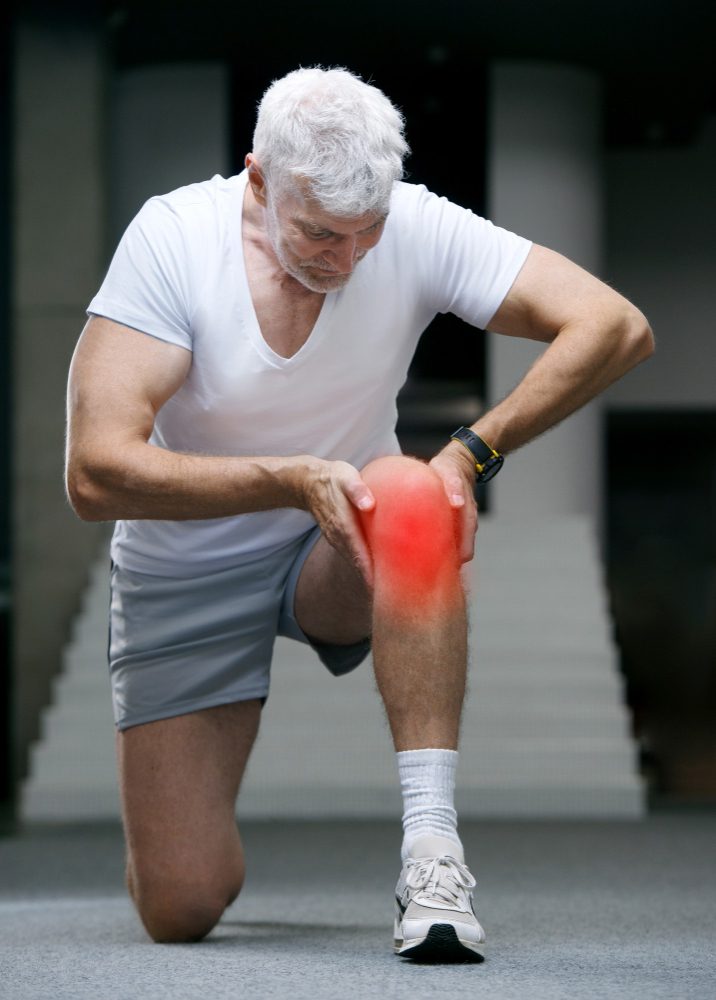
It is a condition that affects the whole joint including bone, cartilage, ligaments and muscles and causing pain, stiffness and muscle weakness. Although osteoarthritis can affect any joint in the body, it is most likely to affect the joints that bear the most weight, such as the hips and knees.

Being inactive or overweight, having history of joint injury or repetitive loading to a joint (such as sport and occupation) may also increase the risk of having osteoarthritis in the future. However, almost all of us will develop osteoarthritis in our joints, as a normal part of aging, and we may not even be aware of it.

In a healthy joint, a coating of tough, yet smooth tissue known as articular cartilage covers the surface of the bones to help them move freely against each other. With inactivity, joint injury or repetitive loading, the articular cartilage can become thin and rougher.
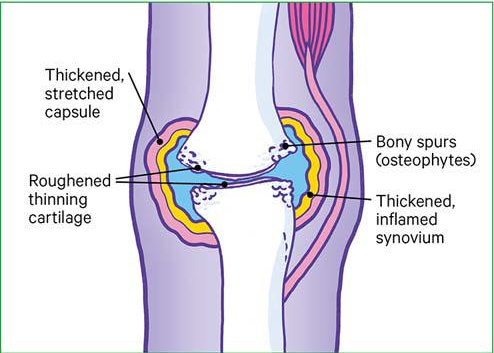
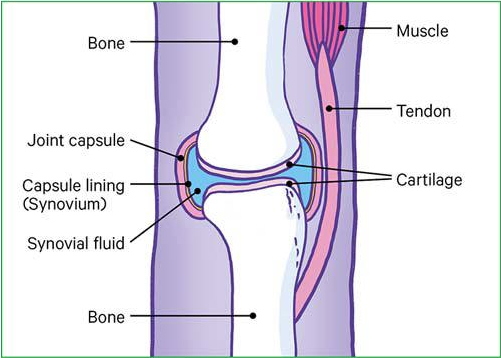
As the cartilage becomes worn or damaged, all the tissues within the joint become more active than normal, as the body tries to repair the damage. This ultimately leads to a constant, low-grade inflammation of the joint – known as osteoarthritis.

The repair processes may also change the structure of the joint, but will often allow the joint to work normally and without any pain and stiffness.

However, when the joint suddenly experiences an load that is more than what it can tolerate, the body responds with more inflammation (swelling), which can contribute to symptoms of pain and stiffness.

Conversely, when there is inactivity or lack of movement in the joint, the repair process is impaired, which can also cause swelling, pain and stiffness.

The key to the treatment of osteoarthritis is to apply the right amount of load to the joint, with implementing strength training to improve the joints’ ability to handle more load.

What causes osteoarthritis?

There is no one specific cause for osteoarthritis. Instead, your risk of developing osteoarthritis is influenced by a number of factors such as:

  • Age
  • Previous joint injury
  • Genetic predisposition
  • Overweight and obesity
  • History of heavy or repetitive loading (such as sports or manual labour)

What are the signs & symptoms of osteoarthritis?

Whatever the cause, the symptoms of osteoarthritis can differ between individuals and depend on the affected joints. The condition usually progresses slowly, causing joint pain, stiffness and in some cases loss of mobility and strength.

Over time, these symptoms usually become more constant and can make daily activities harder. Things like opening jars, tying shoelaces, walking or climbing stairs become harder. You might also notice clicking or grinding sounds when you move or find your joints don’t move as freely as they used to.

How is osteoarthritis diagnosed?

It’s important to get an accurate diagnosis if you think you have arthritis, as different types of arthritis often need very different treatments.

Imaging can help guide clinicians with diagnosis, as it may show joint space narrowing, bony spurs (osteophytes) and hardening of bone (sclerosis). However, clinicians can make a diagnosis based on the person’s history, symptoms, risk factors and relevant objective examination findings.

At Ortho Arthritis Solutions we use your medical history, symptoms, physical examination and x-rays to accurately diagnose osteoarthritis.

How do I treat osteoarthritis?

While there is no treatment to regenerate your damaged cartilage, it does not mean that there is no method to reduce your symptoms. Research recommends exercise, weight control and education as the “mainstay” for treatment and management of osteoarthritis symptoms. This should be considered as your first option.

Injections, pharmaceuticals, massage and other adjunctive therapies can also be useful for the management of your symptoms – but should be utilised alongside the first-line treatment already mentioned.

That said, there is no one-size-fits-all to treatment. We may need to trial several different treatments or a combination of treatments before finding the recipe that is right for you. If symptoms are still poorly managed and osteoarthritis progression is severe enough, surgery can be considered as your last treatment option.

Latest Blogs

Ice vs. Heat: Which Is Best for Your Osteoarthritis Pain?Osteoarthritis

Ice vs. Heat: Which Is Best for Your Osteoarthritis Pain?

If you are living with knee or hip osteoarthritis, managing a sudden flare-up or morning stiffness can be incredibly frustrating. One of the most common…
May 26, 20265 min
Dispelling the “Wear and Tear” Myth: Why Your X-Ray Doesn’t Define Your Knee PainOsteoarthritis

Dispelling the “Wear and Tear” Myth: Why Your X-Ray Doesn’t Define Your Knee Pain

For decades, millions of Australians experiencing joint stiffness have been told that their pain is simply the result of mechanical "wear and tear." This phrase…
August 25, 20245 min
Beyond the Blade: How Structured Exercise is Helping Osteoarthritis Sufferers Avoid SurgeryOsteoarthritis

Beyond the Blade: How Structured Exercise is Helping Osteoarthritis Sufferers Avoid Surgery

For many Australians living with severe joint pain, joint replacement surgery can feel like the only light at the end of the tunnel. However, a…
September 21, 20225 min